


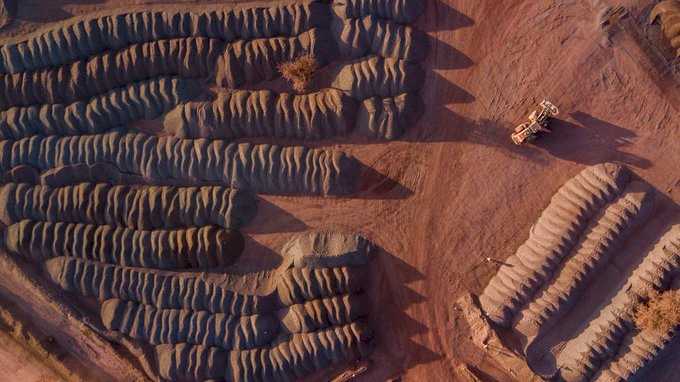
The U.S. State Department’s 2025 Investment Climate Statement on Rwanda states: “Some SOEs in Rwanda are historically associated with illegal minerals supply chains originating from conflict zones in the eastern #DRCongo.” This is a commercial risk assessment for U.S. investors.
Washington is now telling its business community: #Rwanda’s state architecture is structurally entangled with conflict mineral flows.
https://www.state.gov/reports/2025-investment-climate-statements/rwanda
View 250 times

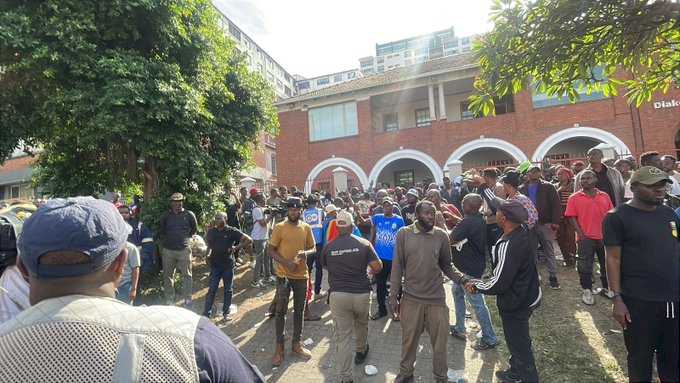
The City’s in a State: Joburg mayor’s rosy address at odds with reality

View 261 times
Usindiso fire: Technical error delays judgment as self-confessed arsonist maintains innocence. #Southafrica

View 274 times
A World Health Organization official said that six tons of supplies to fight Ebola were set to arrive in the Democratic Republic of #Congo on Tuesday, including personal protective equipment and other medical supplies.

View 277 times
#Nigeria's anti-graft agency has arrested former power minister Saleh Mamman, days after a court sentenced him in absentia to 75 years in prison for laundering 33.8 billion naira ($24.65 million), its chairman said on Tuesday.

View 272 times
#Rwanda's foreign minister said on Tuesday that #Mozambique had secured the funds for Rwanda's army to continue its deployment in the insurgency-hit and gas-rich Cabo Delgado province.

View 261 times
At least 225 protesters have been arrested following protests over high fuel prices in #Nairobi and across the country.

View 257 times

#Israeli forces detain South African humanitarian ambassador aboard Gaza aid flotilla

View 254 times


Top Africa News on Umojja.com